Why Phishing Targets Your Employees, Not Your Firewall
85% of Cyber Attacks Start With a Phishing Email
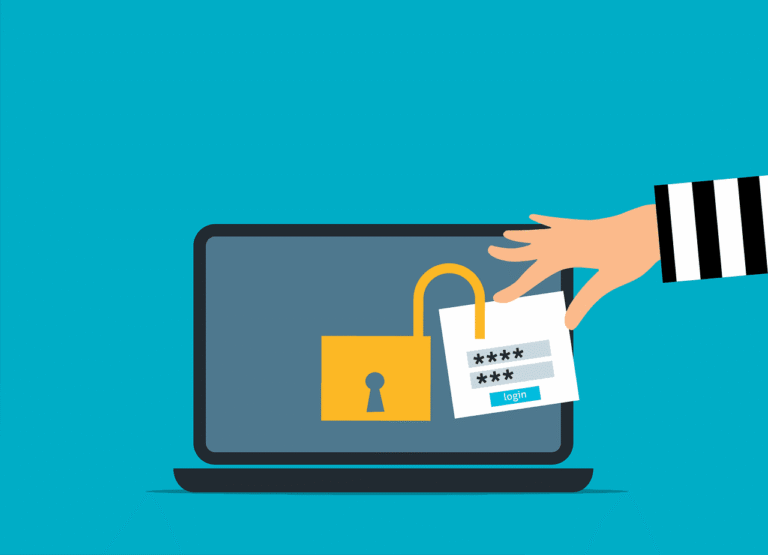
You can invest in firewalls, endpoint protection, and encryption. You can patch every system on time and enforce the strongest password policy. None of it matters if an employee clicks a convincing phishing email and hands over their credentials.
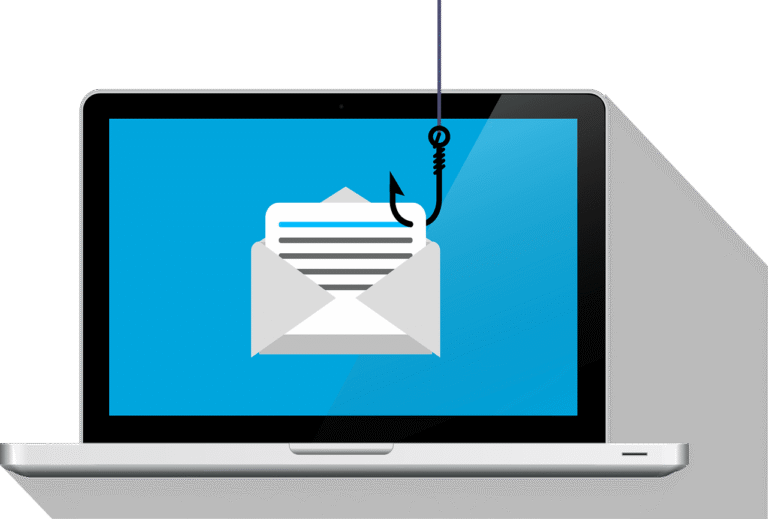
85% of cyber attacks start with phishing (DSIT 2025). Not sophisticated zero-day exploits. Not nation-state hacking. Phishing. An email that looks legitimate, asks someone to click a link or open an attachment, and compromises your business in seconds.
This is not a technology problem. It is a people problem. And it requires a people solution.
Want your team spotting these before they click? See how staff phishing training works, or ring Eric on 0151 452 3060.
Why Phishing Works So Well
Modern phishing emails are not the obvious “Nigerian prince” scams of 15 years ago. They impersonate Microsoft 365 login pages, fake invoice notifications from known suppliers, and spoof emails from senior staff requesting urgent action.
For professional services firms, the attacks are often sector-specific:
- Law firms: Conveyancing fraud emails impersonating solicitors or clients, requesting changes to bank details for property transactions. The SRA has issued multiple warnings about this attack pattern.
- Accountancy practices: Fake HMRC notifications during self-assessment or Making Tax Digital deadlines, when staff are under pressure and less likely to scrutinise emails carefully.
- Recruitment agencies: CVs and cover letters containing malware, sent to inboxes that are designed to receive attachments from unknown senders.
- Schools: Emails impersonating parents, governors, or education authorities, exploiting the culture of trust within education settings.
The common thread is urgency and authority. Phishing emails work because they exploit human psychology, not technical vulnerabilities.
The Real Cost When an Employee Clicks
The average cost of an impactful breach for UK businesses is GBP 8,260 (DSIT 2025). But for professional services firms, the real cost often goes far beyond the initial incident:
- Client data exposure: If client financial records, legal documents, or candidate data are compromised, you face regulatory action under GDPR and potential ICO fines.
- Operational disruption: Ransomware triggered by a phishing click can take systems offline for days or weeks.
- Reputational damage: Clients expect you to protect their data. A breach erodes trust that took years to build.
- Insurance complications: Without demonstrable security measures, your cyber insurance claim may be rejected.
Even if you never work with us, here is something you can implement today. Establish a “report, don’t delete” culture. When staff receive a suspicious email, they should forward it to a designated security contact rather than deleting it. Deleted phishing emails cannot be analysed. Reported ones can protect the whole team.
Building a Phishing-Resistant Team
Training is not a tick-box exercise. A single annual presentation does not change behaviour. Effective phishing defence requires ongoing, practical engagement:
Run Simulated Phishing Tests Quarterly
Send realistic test phishing emails to your team and measure who clicks. The goal is not to punish anyone. It is to identify where additional training is needed and to keep phishing awareness front of mind. People who have been “caught” by a simulated phishing test are far less likely to fall for a real one.
Make Reporting Easy and Blame-Free
If employees fear being disciplined for clicking a link, they will not report it when it happens. And when it happens for real, those unreported minutes or hours give the attacker time to entrench themselves in your systems. Create a culture where reporting suspicious emails is encouraged and rewarded, not punished.
Use Real Examples in Team Meetings
Share examples of phishing emails that have targeted your industry. The SRA publishes scam alerts for law firms. HMRC publishes examples of fake tax emails. Use these as conversation starters in team meetings. Five minutes of discussion is more effective than an hour-long training module.
Secure the Technical Layer Too
Training reduces the likelihood that someone clicks. Technical controls reduce the damage if they do. Multi-factor authentication, advanced email filtering, and endpoint protection create a safety net beneath your team’s awareness. Only 40% of UK businesses use MFA on email (DSIT 2025). That one control alone would prevent most phishing-enabled account compromises.
Employee Offboarding: The Risk Most Businesses Miss
When an employee leaves, their access credentials become a liability. If accounts are not promptly disabled, former employees retain the ability to access business systems, client data, and cloud services. This is both a security risk and a compliance issue under GDPR.
Build offboarding into your security process: disable accounts on the leaving date, revoke access to cloud services, and remove the leaver from shared mailboxes and distribution lists. If your IT setup does not make this straightforward, that is a gap worth addressing.
The Co-Managed Approach to Email Security
Your existing IT team handles day-to-day support, password resets, and user management. A specialist security partner handles the threat layer: email security configuration, phishing simulation campaigns, credential monitoring, and incident response. This co-managed model gives you specialist expertise without replacing your current IT setup.
What to Do Next
Phishing is the most common attack vector because it works. The defence is a combination of people, process, and technology. Three ways to strengthen your position:
- Credential exposure check – See if your team’s credentials are already compromised from third-party breaches. Takes minutes.
- Training that sticks – Short, regular sessions and simulated phishing emails, so spotting a fake becomes habit. How the training works.
- Email filtering and multi-factor sign-in – Filtering stops most phishing reaching anyone, and multi-factor sign-in means a stolen password on its own isn’t enough.
Ready to talk? Ring Eric on 0151 452 3060. Email filtering and multi-factor sign-in are part of IT support from £55 a person a month.