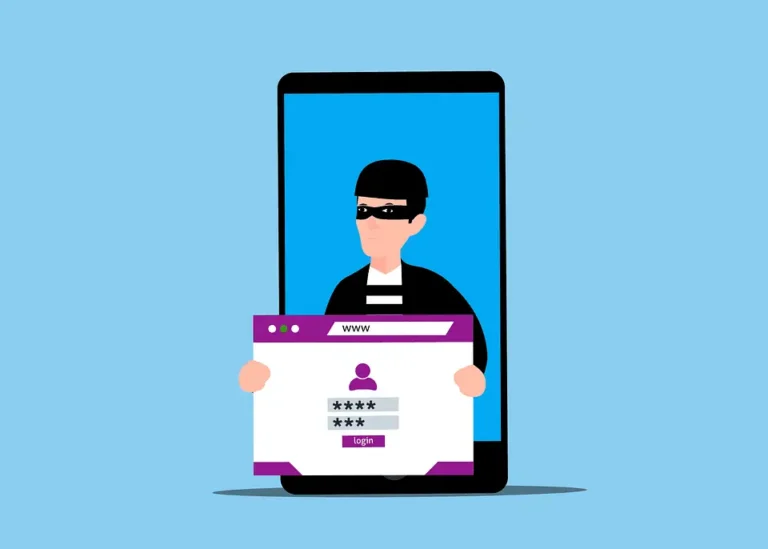

How a Credential Exposure Check Protects Your Business
Your Passwords May Already Be For Sale. Would You Know?
Every week, millions of stolen login credentials are traded online. Email addresses, passwords, financial details, client records. When a third-party service you use suffers a breach, your business credentials can end up exposed without you ever knowing.
This is not a hypothetical scenario. 43% of UK businesses experienced a cyber breach or attack in the past year (DSIT 2025), and the average time to detect a breach is 241 days (IBM 2025). That is eight months of an attacker having access before anyone notices.
A credential exposure check scans for your business email addresses and passwords that have been compromised in known breaches. It tells you exactly which accounts are at risk, so you can act before an attacker does.
Want to check your business right now? Run a credential exposure check or call 0151 452 3060. It takes minutes and gives you an immediate, clear picture of your exposure.
What a Credential Exposure Check Actually Does
A credential exposure check searches databases of known breaches for email addresses and credentials associated with your business domain. When a match is found, you receive a report showing:
- Which email accounts are compromised and in which breaches
- What type of data was exposed, whether passwords, personal details, or financial information
- When the breach occurred, so you can assess whether passwords have been changed since
This is not a one-off scan. Breaches happen continuously, and credentials that are safe today may be exposed tomorrow. Ongoing monitoring catches new exposures as they surface, rather than months after the damage is done.
Why This Matters for Professional Services Firms
For businesses handling sensitive client data, credential exposure creates specific risks beyond simple account compromise:
- Accountancy practices: Compromised credentials could give an attacker access to Sage, Xero, or client financial records. During self-assessment season, this risk intensifies.
- Law firms: SRA compliance requires firms to demonstrate they protect client confidentiality. If a solicitor’s email credentials are exposed and exploited, the firm faces regulatory action as well as client trust issues.
- Recruitment agencies: Applicant tracking systems like Bullhorn or Vincere hold thousands of candidate records. A single compromised login could expose an entire candidate database.
- Financial services: FCA-regulated firms face strict requirements around data protection. Credential exposure that leads to unauthorised access can trigger regulatory reporting obligations.
Even if you never work with us, here is something you can do today: ask your IT provider whether they monitor your business domain for credential exposures. If they cannot tell you which of your email addresses have appeared in known breaches, that is a gap worth closing.
Check Your Exposure in Minutes
A credential exposure check shows you exactly which business credentials are circulating from third-party breaches. No obligation, no sales pitch. Just data you can act on.
Run your credential exposure check or call 0151 452 3060.
What to Do When Exposed Credentials Are Found
If a credential exposure check reveals compromised accounts, take these steps immediately:
- Reset affected passwords. Change the password on every account that used the compromised credentials. If the same password was reused across multiple services, change all of them.
- Enable multi-factor authentication. MFA ensures that a stolen password alone is not enough to access an account. Only 40% of UK businesses use MFA on email (DSIT 2025). If yours does not, start there.
- Review account activity. Check for unauthorised logins, forwarding rules on email accounts, and any unfamiliar changes to settings. Attackers often set up email forwarding rules to silently intercept messages.
- Notify affected parties if necessary. Under GDPR, if the exposure led to unauthorised access to personal data, you may need to report this to the ICO within 72 hours.
- Implement ongoing monitoring. A one-off check is a starting point. Continuous credential monitoring catches new exposures as they happen, not months later.
One Check Is Not Enough
Breaches happen continuously. A credential that was secure last month may appear in a new breach database tomorrow. That is why ongoing monitoring matters more than periodic spot-checks.
Continuous credential monitoring works alongside your existing IT setup. We work co-managed with your current IT team or provider, adding a specialist security layer that handles credential monitoring, threat detection, and compliance support while your IT handles day-to-day operations.
What to Do Next
Your business credentials may already be exposed. The only way to know is to check. Three options:
- Credential exposure check – See which of your business email addresses and passwords are already circulating. Takes minutes.
- Vulnerability assessment – A scan of your network and internet-facing systems, with a person turning the results into a ranked fix list.
- H-Protect Standard (from GBP 55/user/month) – Includes continuous credential monitoring, endpoint protection, email security, and quarterly vulnerability scanning.
Run your credential exposure check or call 0151 452 3060. We’re on the Wirral and work with businesses across the North West.