Kyndryl’s Liverpool Technology Hub: What It Means for Local Business
First published 26 February 2025. Updated 7 September 2026 to separate the confirmed news from what it could mean for local firms.
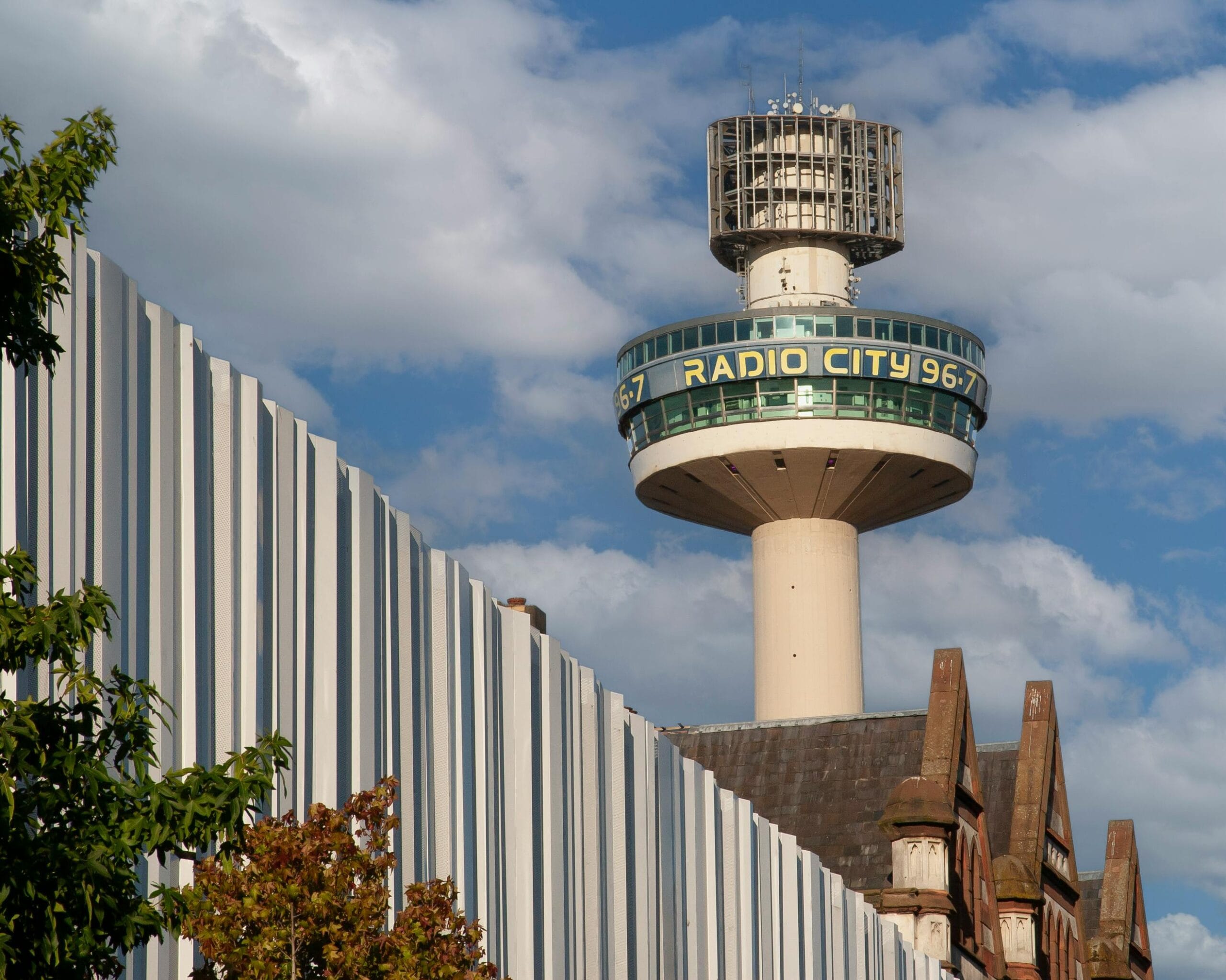
In February 2025 Kyndryl, an IT services firm, announced a technology hub in Liverpool. The plan named up to 1,000 software engineering and AI jobs over three years. It was big news for the city, but the number alone isn’t the most interesting part for local businesses.
The hub was presented as a base for supporting digital transformation work for UK and global customers, alongside training and early-career routes. That puts Liverpool in view not only as a place to recruit from, but as a place where complex technology work can be delivered.
The wording matters: this was a plan for up to 1,000 roles over three years, not 1,000 jobs arriving on day one. The original news can be read on Kyndryl’s investor site.
Why a large technology employer choosing Liverpool matters
A decision like this tells other employers, investors and graduates that Liverpool has the people and infrastructure to support serious technical work. One company can’t build a tech scene on its own. What it can do is add weight to the universities, digital firms, public money and employers already working across the city region.
It also widens the local career ladder. More entry-level roles are valuable, but so are routes for engineers, analysts and project professionals who previously felt they had to move away to progress. A stronger talent market can lead to new suppliers, new companies and experienced people bringing their skills into smaller firms later.
What it doesn’t mean
It doesn’t automatically make advanced technology useful to every business. AI, automation and cloud platforms still need a clear problem, clean data and someone responsible for the result. Buying a fashionable product without those basics usually creates cost, risk and another half-used system.
It also doesn’t replace the local technology market. A global infrastructure company and a ten-person Liverpool business buy very different services. Small firms still need help with the immediate layer: accounts, laptops, backups, Microsoft 365, security and someone they can actually reach when work stops.
Three practical opportunities for local firms
1. Compete for digitally demanding work
As the regional market matures, more customers will expect secure file sharing, reliable remote work and credible answers to supplier-security questions. Getting those basics right can make a small company easier to trust and easier to buy from.
2. Use AI where it removes real work
Start with one boring job you can measure. A first draft, a search across approved company files, a meeting summary, or shifting data between systems. Start with one workflow, decide how a person checks the output and keep confidential information inside tools approved by the business.
3. Keep technical talent in the region
Large employers can train people at a scale small firms can’t. Local businesses can still contribute by offering placements, buying from regional specialists and giving capable staff room to improve how work is done. A healthy technology economy needs both large anchors and smaller companies where ideas can move quickly.
Our view
Kyndryl’s news was good news because it treated Liverpool as a place to build capability, not simply a cheaper place to put an office. Whether it lasts depends on three things. Does it get delivered, are the jobs any good, and does the money reach the rest of the city region.
For a small business, the response isn’t to imitate a global technology company. It’s to make sure your own systems help you take advantage of a more digital market. If the basics are still getting in the way, our Liverpool IT support service explains what we cover and what it costs.